The Science Behind Face Taping: How It Works and Why Gua Sha Is the Perfect Partner
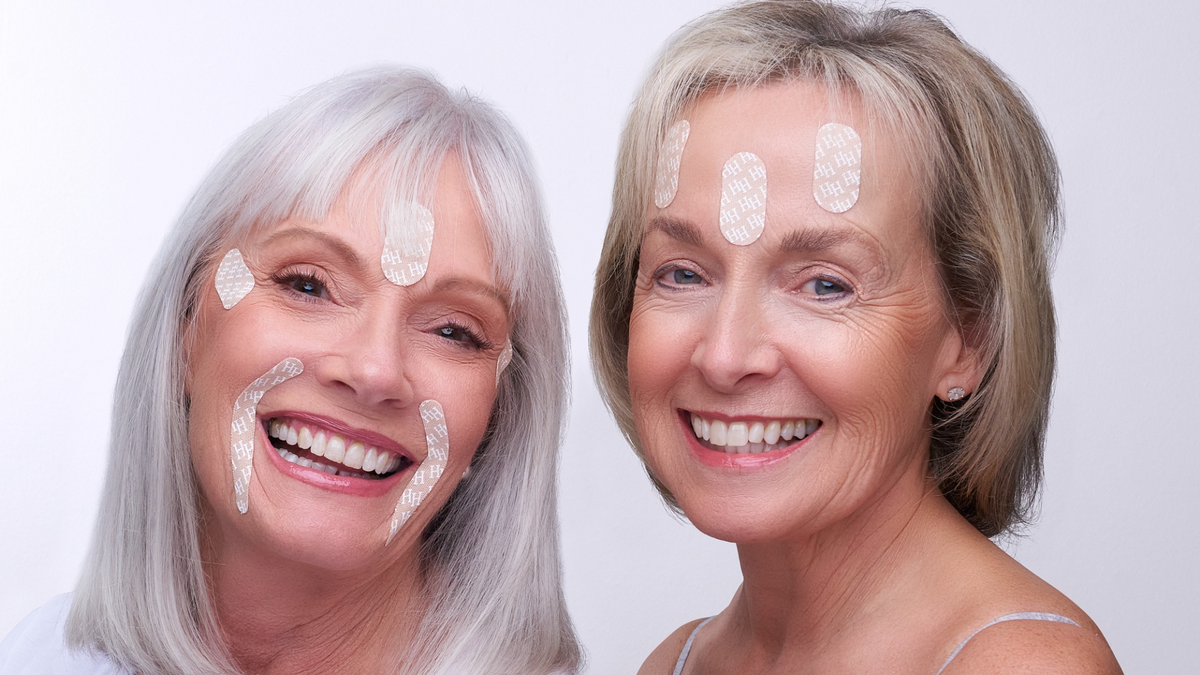
An age-old beauty ritual meets modern skincare.
Face Taping: An Age-Old Beauty Secret
Face taping might be having a moment in the beauty world, but it's certainly nothing new.
In fact, the concept dates back to the late 1800s, when women began using adhesive facial patches to help minimise the appearance of wrinkles. Before high-tech skincare devices and injectable treatments, people were already exploring ways to smooth expression lines by gently holding the skin in place.
Fast-forward to today, and this traditional technique has evolved with the introduction of soft, flexible kinesiology tape a material originally developed for therapeutic use on the body.
The idea is simple: support the skin, minimise repetitive creasing and encourage a smoother, more refreshed-looking complexion.
But what is actually happening beneath the surface?
Let's explore the science.
How Does Face Taping Actually Work?
Our skin is constantly moving. Every smile, frown, squint and raised eyebrow creates tiny folds in the skin.
When we're younger, our skin generally bounces back thanks to its natural supply of collagen and elastin. But as we age, these structural proteins gradually decline, making it harder for our skin to recover from repeated movements.
Over time, those temporary expression lines can become more noticeable, eventually developing into wrinkles that remain visible even when our face is relaxed.
This is where face taping comes in.
1. Gentle Mechanical Support for the Skin
Unlike traditional rigid adhesive tape, kinesiology tape is soft, stretchy and designed to move with the skin.
When applied with the correct technique, it provides gentle mechanical support to the area being treated.
Kinesiology taping is often described as creating a subtle lifting effect on the skin's surface and influencing the underlying tissues.
Think of it as encouraging the skin to spend more time in a smoother, more relaxed position.
2. Reducing Repetitive Creasing
Have you ever noticed how your forehead lines become more pronounced after a stressful day, or how the lines between your eyebrows deepen when you're concentrating?
That's because repeated facial expressions continually fold the skin in the same places.
Face tape can gently restrict some of this movement, particularly in areas prone to expression lines, such as:
Forehead lines
Frown lines between the eyebrows
Fine lines around the eyes
Certain expression lines around the mouth
3. What About Blood Circulation?
One of the most interesting ideas behind kinesiology tape is its proposed relationship with circulation.
Circulation plays an essential role in healthy skin, delivering oxygen and nutrients to living tissues.
And this is where facial massage and Gua Sha become particularly interesting.
Why Gua Sha and Face Taping Work Beautifully Together
If face taping is about supporting the skin and reducing repetitive creasing, Gua Sha brings a complementary element to your skincare routine: movement and massage.
Gua Sha is a traditional technique that involves gently gliding a smooth-edged tool across the skin.
When performed correctly, it can help relieve facial tension, encourage temporary improvements in circulation, contributes to lymphatic drainage in the face for a more defined look and reduce the appearance of puffiness.
Combining Gua Sha with face taping creates a simple two-step ritual. Creating the movement and boosting the blood flow combined with lifting and smoothing the skin. The ultimate combination for smooth glowing skin.
It's about supporting your skin consistently with healthy habits that come part of your routine.